High School College to Career Planning
By Daryl CapuanoGeneral Education AdviceI knew Jake in high school when he attended Lyme-Old Lyme.
- Solid GPA in a rigorous academic environment
- Challenging courses, including honors and AP classes
- Participation in extracurricular activities
- Responsible, well-liked, and capable
Like many students from Lyme-Old Lyme, he was well-prepared academically and earned admission to a strong college. His parents were sensible, well-educated, and helpful.
We worked for SAT Prep and college counseling. He was accepted Early Decision to his hoped-for college and… everyone breathed a sigh of relief.
The Missing Piece
Jake entered college with a general idea of what he might study—something in business or economics.
This is common and not inherently problematic.
The issue was not uncertainty.
The issue was a lack of structure around that uncertainty.
During his first two years of college:
- He focused almost entirely on coursework
- He earned good grades
- He explored different classes
But he did not:
- Pursue internships early
- Develop specific, marketable skills
- Build relationships with professors or mentors in a targeted way
- Test his interests in real-world settings
By junior year of college, a realization set in:
He had done well in school—but had no clear path forward.
He also realized that he said “business,” but that the reality is that “business” is so broad that even a practical answer is not that practical
Jake was in a deep state of anxiety when we met. “I never really thought what I would do after college. I said I did….
He then relayed the all too common – “business sounded like a plan” – and then the equal discovery this was not really a plan.
High School as the Foundation
College-to-career planning in high school does not mean forcing a 16-year-old to choose a lifelong profession.
It means:
- Introducing students to how different careers function
- Encouraging exploration tied to real-world outcomes
- Developing early professional habits
- Helping students think in terms of skills—not just grades
For example, a student interested in business might:
- Explore basic financial concepts
- Take on leadership roles with real responsibility
- Seek out summer experiences, even informal ones
- Begin understanding how internships work
This does not limit options.
It expands them—by adding direction to ability.
The Parent’s Role
Parents in communities like Lyme-Old Lyme often do an excellent job supporting academics.
The next step is expanding that support into career awareness.
This includes:
- Asking questions beyond “How are your grades?”
- Encouraging students to think about how their interests translate into real work
- Supporting early efforts to gain experience
- Helping students stay consistent in their efforts
The goal is not pressure.
It is guidance.
A More Effective Model
The students who navigate the college-to-career transition most effectively follow a pattern:
- They explore early
- They build skills intentionally
- They pursue experience before they feel fully ready
- They adjust direction based on feedback and results
They do not wait for clarity.
They build it.
Final Thought
Students from Lyme-Old Lyme High School and similar communities have every advantage academically.
But in today’s world, academic strength must be paired with strategic career development.
Jake’s story is not a cautionary tale.
It is a common one.
And it carries a clear message:
College is not a bridge that automatically leads to a career.
It is a platform.
Students who learn how to use that platform—early and intentionally—are the ones who move forward with clarity, confidence, and momentum.
Jake repeatedly said – as did his parents – we should have done this long ago.
Schedule a college-to-career meeting. Your future self will be very happy.
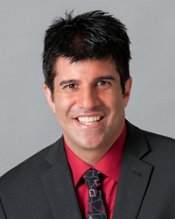
CEO, The Learning Consultants and Connecticut’s top private education consultant
full bio