Helping your children will help your retirement
By Daryl CapuanoGeneral Education AdviceThe College Years and the Retirement Years:
I recently spoke with a set of parents from Lyme-Old Lyme who were approaching retirement.
They had worked hard. Saved consistently. Lived responsibly.
But they were worried.
Not about the stock market.
Not about Social Security.
They were worried about their children.
They had two high school students who were intelligent but not particularly motivated. Schoolwork felt optional. Long-term planning was vague. The initiative was inconsistent.
The parents voiced a quiet fear:
“What if we are still supporting them in their twenties and thirties?”
It is an uncomfortable question.
But it is an important one.
The Connection Between High School Habits and Adult Independence
Financial dependency in adulthood rarely begins at age twenty-five.
My first book, Motivate Your Son stemmed from identifying the root cause of young adult dysfunction: poor academic habits developed in early high school.
The link does not seem immediately obvious when meeting struggling twentysomethings. But I am certain this is the case, given my work in our subsidiary Career Counseling Connecticut
There are exceptions but I rarely meet twentysomethings who are floundering who were straight A students in high school. When I do meet such types, it’s often related to an affirmative career shift – as a recent client, Wall Street analyst, coincidentally from Old Lyme – wanted to switch into more meaningful work.
It often begins much earlier.
When students:
-
Avoid academic effort
-
Drift without goals
-
Resist structure
-
Lack accountability
Those habits do not disappear after graduation.
They often extend into college.
And then into early adulthood.
Parents who step in repeatedly during high school — to rescue deadlines, negotiate consequences, or lower expectations — sometimes find themselves continuing that pattern years later, only now with rent and living expenses involved.
The Long-Term Financial Reality
There is a retirement challenge facing many American families.
Longevity is increasing.
Healthcare costs are rising.
Savings must last longer.
If parents simultaneously fund their own retirement and subsidize adult children, the strain compounds.
Supporting a young adult for even five years can cost tens or hundreds of thousands of dollars.
That money could otherwise:
-
Strengthen retirement security
-
Reduce financial stress
-
Allow earlier retirement
-
Fund travel or philanthropy
The goal is not harshness.
The goal is development.
Why Early Guidance Matters
At The Learning Consultants, our work is not simply about SAT scores or college admissions.
It is about direction.
High school is the stage when students begin forming adult habits:
-
Discipline
-
Work ethic
-
Academic ownership
-
Future orientation
Students who develop these traits are far more likely to:
-
Choose appropriate colleges
-
Persist through challenges
-
Graduate on time
-
Secure employment
-
Achieve financial independence
Guidance reduces drift.
And drift is often the root of later dependency.
Motivation Is Not Automatic
Some students are naturally driven.
Many are not.
Waiting for motivation to appear can be costly.
What works better is structure, accountability, and thoughtful parental involvement.
Parents need not control every decision.
But they should not withdraw from the process out of fear of being overbearing.
Gentle but consistent guidance during high school dramatically improves long-term outcomes.
The Learning Consultants
At The Learning Consultants, we help families build direction early.
This includes:
-
Academic planning
-
SAT and ACT preparation
-
College list development
-
Structured timelines
-
Ongoing mentorship
The goal is not simply college admission.
It is launching young adults who can stand independently.
Parents naturally want to help their children.
The most powerful help is not indefinite financial support.
It is early guidance that builds competence and responsibility.
And that benefits both generations.
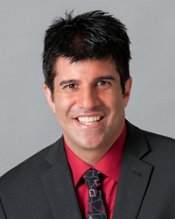
CEO, The Learning Consultants and Connecticut’s top private education consultant
full bio