College… or not… yes… a plan is needed after high school
By Daryl CapuanoGeneral Education AdviceDaniel walked into our office with the quiet resistance familiar to many high school students these days. He wasn’t particularly communicative, having arrived largely because his parents dragged him in for a college counseling session. A bright young man from Old Lyme, Connecticut, he simply hadn’t taken the college process seriously.
Indeed, he had succumbed to what has become one of the biggest reverse cons pushed by modern influencers: the pervasive mantra that college is a scam.
To be clear, this is not an argument that college is mandatory for everyone. Historically, I have frequently been the voice in the room suggesting to parents that some young people are not meant to head to a traditional four-year campus right away. For many, entering the skilled trades, pursuing the military, or working to build maturity and financial independence represents a smart, deliberate choice.
The problem in Daniel’s case—as it is for so many suburban young people across Old Lyme, East Lyme, Essex, Old Saybrook, and Madison—is that he had no interest in those alternatives. When pressed on his concrete plan post-high school, he hadn’t thought about it in any practical way. Instead, he and his friends spent their hours shooting videos trying to emulate MrBeast.
Much like dreams of becoming a Hollywood movie star or a major-league athlete, banking on internet fame is an outlier fantasy, not a career plan.
Social media influencers love to preach anti-college rhetoric because it generates clicks, validation, and engagement from teenagers eager to avoid hard work. But what gets lost in the algorithm is context: skipping college works when an individual has a relentless, structured alternative—such as an apprenticeship, a proven entrepreneurial venture, or a specific technical pursuit. Opting out without a rigorous Plan B usually leads to aimless drifting and underemployment.
For suburban students who thrive in structured environments and aim for white-collar or professional careers, college remains the most reliable launchpad for autonomy, skill development, and long-term security.
Helping a student like Daniel move past internet cynicism requires shifting the conversation from parental nagging to real-world math. When teenagers are asked to map out the day-to-day reality, expenses, and skills required for their independent future, the noise fades, and the value of structured higher education comes back into sharp focus.
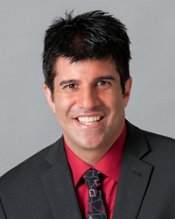
CEO, The Learning Consultants and Connecticut’s top private education consultant
full bio